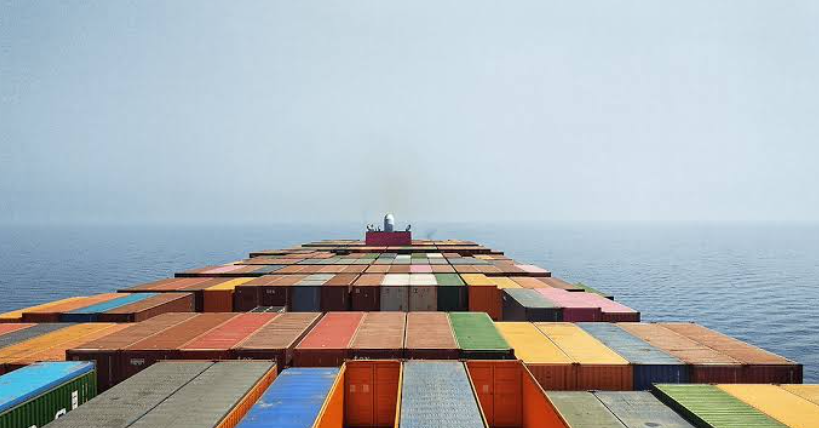
Commercial ships often remain in service far longer than the technologies installed when they were delivered. Navigation electronics change, emissions rules evolve, mission equipment is replaced, and owners discover new operating opportunities. A vessel that is difficult to modify can become expensive long before its structure reaches the end of its useful life. This is why modular thinking is gaining importance in marine engineering.
Modularity Is More Than Containerized Equipment
The word modular can suggest removable skids or containerized systems, but the principle is broader. It means organizing a vessel so selected equipment can be installed, serviced, replaced, or upgraded with limited disruption to surrounding structure and systems. That can involve standardized foundations, accessible cable and pipe routes, reserved lifting paths, removable panels, or clearly separated functional zones.
Maintenance Access Has Long-Term Value
A machinery room may look efficient when every gap is filled, but dense packing can create problems later. Pumps need seals replaced, motors need lifting, filters require clearance, and large components may eventually have to leave the ship. Designers who preserve maintenance envelopes can reduce the amount of dismantling required for routine work. The space may appear unused at delivery, yet it can save many hours during the vessel’s life.
Standard Interfaces Reduce Retrofit Complexity
Future upgrades become easier when electrical, data, cooling, and structural interfaces are organized predictably. Spare breaker capacity, reserved cable trays, capped piping connections, and common foundation arrangements can all create options. Not every vessel needs extensive spare capacity, but strategic allowances can make sense where technology is developing quickly or the owner expects mission changes.
Ship Design Can Protect Future Options
Early ship design decisions determine how much flexibility remains years later. A battery retrofit, for example, is not only about finding deck space. Weight, fire protection, ventilation, electrical distribution, access, and stability may all need attention. By identifying plausible future changes during concept development, designers can decide where relatively small provisions today may avoid major reconstruction tomorrow.
Production Can Benefit From Modular Planning
Modularity can also improve construction. Preassembled equipment units, pipe modules, cabin blocks, and electrical assemblies may be fabricated or tested before they are installed onboard. This can reduce crowded work in confined spaces and improve repeatability. However, modules still have to pass through real openings, align with structure, and connect to services, so dimensional control and installation sequencing remain essential. In this context, ship design provides a useful reference point for understanding the vessel type and its engineering priorities.
Flexibility Must Be Balanced Against Weight and Cost
It is possible to over-design for an uncertain future. Extra space, duplicate connections, stronger foundations, and spare electrical capacity all carry cost or weight. The design team must therefore distinguish between realistic upgrade paths and speculative possibilities. A flexible vessel is not one prepared for every imaginable conversion; it is one that can adapt to the changes most likely to matter.
Lifecycle Thinking Changes the Definition of Value
A low initial construction price does not always produce the lowest lifetime cost. If maintenance is slow, equipment replacement requires structural cutting, or upgrades demand long off-hire periods, savings made during construction can disappear quickly. Modular thinking encourages owners to evaluate accessibility, replaceability, and future modification as part of vessel value. The result can be a ship that stays useful for longer because change was anticipated rather than resisted.
A Final Practical Consideration
The same philosophy applies to documentation. Clear equipment tagging, updated digital models, accessible manuals, and accurate cable or pipe records can make later modifications faster. Physical flexibility delivers its full value only when future engineers can understand how the ship was originally arranged and why key interfaces were provided.
Modular Thinking Can Simplify Class and Approval Work
Well-defined modules can make technical changes easier to describe and review because boundaries are clearer. When equipment, foundations, utilities, fire protection, and control interfaces are documented as a coordinated package, future designers can understand what must change and what can remain untouched. This does not remove the need for class or regulatory approval, but it can reduce uncertainty during modification projects. Owners also gain better cost estimates because the scope of work is less likely to spread unexpectedly into unrelated parts of the vessel.
See also: The Smart Way to Leverage Government Master Plans for Condo Capital Growth
Refits Benefit From Planned Removal Routes
One of the most practical forms of future-proofing is simply providing a way to remove large equipment. Engines, motors, transformers, pumps, and battery modules may be reliable, but no component lasts forever. Removable deck sections, hatches, lifting beams, and routes to the weather deck can turn a major replacement into a controlled maintenance project. Without them, crews may need structural cutting or extensive dismantling that increases off-hire time and repair cost.


 By