
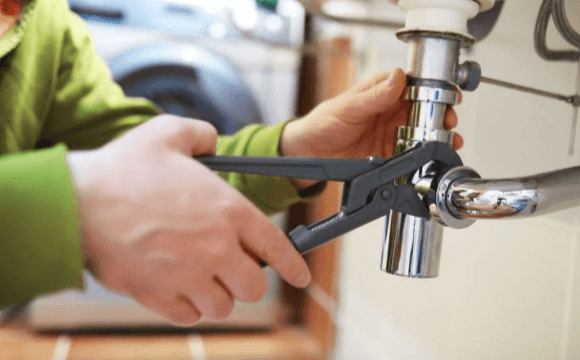
Maintaining plumbing equipment starts with a clear inventory of routine needs and potential risk points. A simple seasonal schedule guides inspections for leaks, vulnerable joints, and insulation gaps. Document findings, set measurable maintenance thresholds, and establish predictable tasks such as inspection, lubrication, filtration, and outlet checks. Adjust the cadence for weather and usage, record outcomes, and test repairs. When issues persist or safety and code concerns arise, seek professional help and consider budget-aligned upgrades. The next step outlines turning priorities into action.
Identify Your Home’s Plumbing Priorities
Identifying a home’s plumbing priorities starts with a clear inventory of routine needs and potential risk areas. The assessment focuses on essential systems and exposure points, noting leaky fixtures and vulnerable joints.
Priorities include securing efficient water flow, preventing waste, and evaluating pipe insulation where temperature swings threaten performance.
A concise plan guides maintenance, budgeting, and timely upgrades with measurable thresholds.
Build a Simple Seasonal Maintenance Routine
A practical seasonal maintenance routine builds on the prior assessment by converting priorities into concrete, repeatable checks. The routine translates priorities into a maintenance schedule, detailing specific tasks and frequencies. It includes simple inspections, lubrication, filtration, and outlet checks, plus seasonal adjustments. Consistency fuels reliability, and a clear cadence fuels your efficiency, ensuring equipment operates safely with minimal disruption and clear, actionable records.
Spot Early Warning Signs and Troubleshoot Safe Fixes
Spotting early warning signs and applying safe troubleshooting requires a systematic approach. The text outlines warning signs and clear troubleshooting steps, emphasizing observable symptoms, measured responses, and documented outcomes. Emphasize seasonal maintenance routines to prevent recurrence. If indicators persist, seek professional help; otherwise, verify repairs with test runs. Maintain records for future reference, ensuring confidence, safety, and ongoing plumbing reliability.
See also: The Rise of Distributed Cloud Architectures
When and How to Call a Pro for Major Issues
When major plumbing issues arise, timely professional intervention is essential to prevent further damage and ensure code-compliant repairs.
A detached assessment identifies leaky faucets and clogged drains as common triggers for escalation.
Call a licensed plumber, document observed symptoms, schedule a trench-free inspection if possible, and avoid DIY fixes that may violate codes.
Prioritize safety, warranties, and accurate, billable diagnostics.
Conclusion
Regular maintenance hinges on a clear inventory of priorities and a simple, seasonally tuned routine. By documenting leaks, insulation gaps, and vulnerable joints, and by scheduling inspections, lubrication, filtration, and outlet checks, homeowners can forecast disruptions and budget for upgrades. Promptly recording outcomes and testing repairs ensures safety and code compliance. If issues persist beyond expected thresholds, professional intervention is warranted. The theory that a proactive, methodical approach prevents surprises holds true, empowering homeowners to protect assets and peace of mind.
