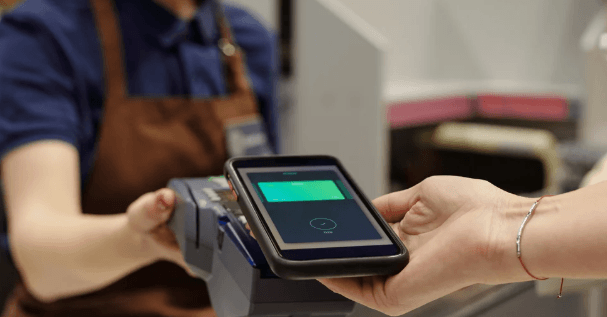
Digital wallets consolidate payment methods, keys, and tokenization into a single interface. They enable faster, contactless transactions and cross-device interoperability. Security advances rely on biometrics and cryptographic protections, while data insights sharpen budgeting and fraud detection. Standards expansion drives compatibility across platforms and regions. As adoption grows among consumers and merchants, questions emerge about privacy, cost, and control. The evolving landscape invites a closer look at platform choices, security trade-offs, and how value is captured.
What Are Digital Wallets and Why Now
Digital wallets are secure, software-enabled systems that store payment credentials and enable seamless transactions across devices and platforms. They consolidate digital payment methods, cryptographic keys, and tokenization to reduce friction while preserving security.
Adoption accelerates as interoperability and open standards expand, boosting consumer trust. This convergence supports autonomous budgeting, faster checkout, and cross-border purchases, aligning with a freedom-focused, data-driven digital economy.
How Digital Wallets Change Everyday Purchases
What changes do digital wallets bring to everyday purchases? Digital wallets streamline checkout, reducing friction in everyday purchases while enabling contactless, fast payments. Data shows higher completion rates and improved loyalty integration across channels. Platform security enhances trust through tokenization and biometric verification, yet merchant adoption remains uneven. Effects accumulate as ecosystems mature, guiding consumer freedom toward seamless, interoperable payment experiences.
Choosing Your Wallet: Platforms, Security, and Fees
Selecting a wallet involves evaluating platforms, security features, and fee structures to align with user behavior and ecosystem compatibility.
The analysis emphasizes platform security, trusted provider audits, and interoperability across devices.
Users should compare fee transparency, withdrawal costs, and exchange rates.
Data-driven comparisons reveal trade-offs between convenience, privacy, and control, guiding choices aligned with freedom and long-term sustainability.
What Merchants Need to Know About Wallet Adoption
Merchants evaluating wallet adoption should quantify expected impacts on checkout conversion, settlement speed, and dispute resolution by analyzing supported networks, reconciliation processes, and provider SLAs.
The analysis informs merchant onboarding timelines, risk controls, and volatility management strategies.
Clear metrics on chargeback rates, settlement batches, and API reliability support scalable growth while preserving customer trust and operational efficiency in a dynamic payments landscape.
See also: teqotech
Frequently Asked Questions
How Do Digital Wallets Impact Privacy and Data Sharing?
Digital wallets balance privacy tradeoffs by centralizing credentials, enabling convenient payments while aggregating transaction data; data minimization strategies limit exposure, yet granular sharing remains possible, requiring user controls, transparent policies, and risk-aware design for freedom-loving technologists.
Will Wallets Store Loyalty Cards and Provide Personalized Offers?
Wallets will store loyalty cards and provide personalized offers. Figurative note: a gateway, like a cautious compass, guiding choices. The analysis shows loyalty integration drives targeted campaigns; personalized offers optimize engagement while preserving user agency and data minimization.
Can Wallets Work Offline or With Limited Internet Access?
Offline mode is possible with limited connectivity, though functionality may degrade. The system prioritizes privacy concerns and minimizes data sharing, enabling offline credential verification while maintaining security; when online, updates occur, preserving user control and freedom.
Are There Accessibility Features for Diverse Users or Disabilities?
Accessibility options for diverse users exist, with features like screen readers, captions, high-contrast modes, and voice control. The dataset indicates inclusive design improves usability across populations. Accessibility options empower diverse users to interact freely and confidently with wallets.
What’s the Environmental Impact of Digital Wallet Infrastructure?
The environmental impact centers on the environmental cost of data centers and network infrastructure, balanced by energy efficiency gains from optimized cryptographic protocols and server utilization; overall, efficiency improvements often offset broader scalability emissions for digital wallet ecosystems.
Conclusion
The rise of digital wallets marks a measured shift in consumer-finance behavior, with gradual gains in speed, security, and cross-border efficiency. Adoption data suggests steady onboarding, tighter fraud controls, and clearer spend analytics for merchants. While competition among platforms persists, interoperability and privacy-by-design approaches increasingly temper enthusiasm with prudent risk management. In this evolving landscape, stakeholders should anticipate incremental improvements, balanced by careful cost-benefit assessment and ongoing evaluation of user trust signals.


 By
By